Individual Therapy for Adults


In my individual therapy practice, I provide my adult clients with a confidential, compassionate space to explore life challenges, process difficult emotions, and foster personal growth. Whether you are dealing with anxiety, depression, stress, or major life changes, I will help you to develop practical coping skills, gain clarity, and build resilience with each session. With each client, I tailor my approach to fit their unique needs and support their journey to becoming a healthier version of themselves.
- Anxiety
- Depression
- Post-traumatic stress disorder (PTSD)
- Low self-esteem
- Life changes
- Divorce and breakup recovery
- Grief
- Family struggles
If there is an issue not listed that you are curious about, please feel free to submit an inquiry.
Trauma Processing
Eye Movement Desensitization and Reprocessing (EMDR)
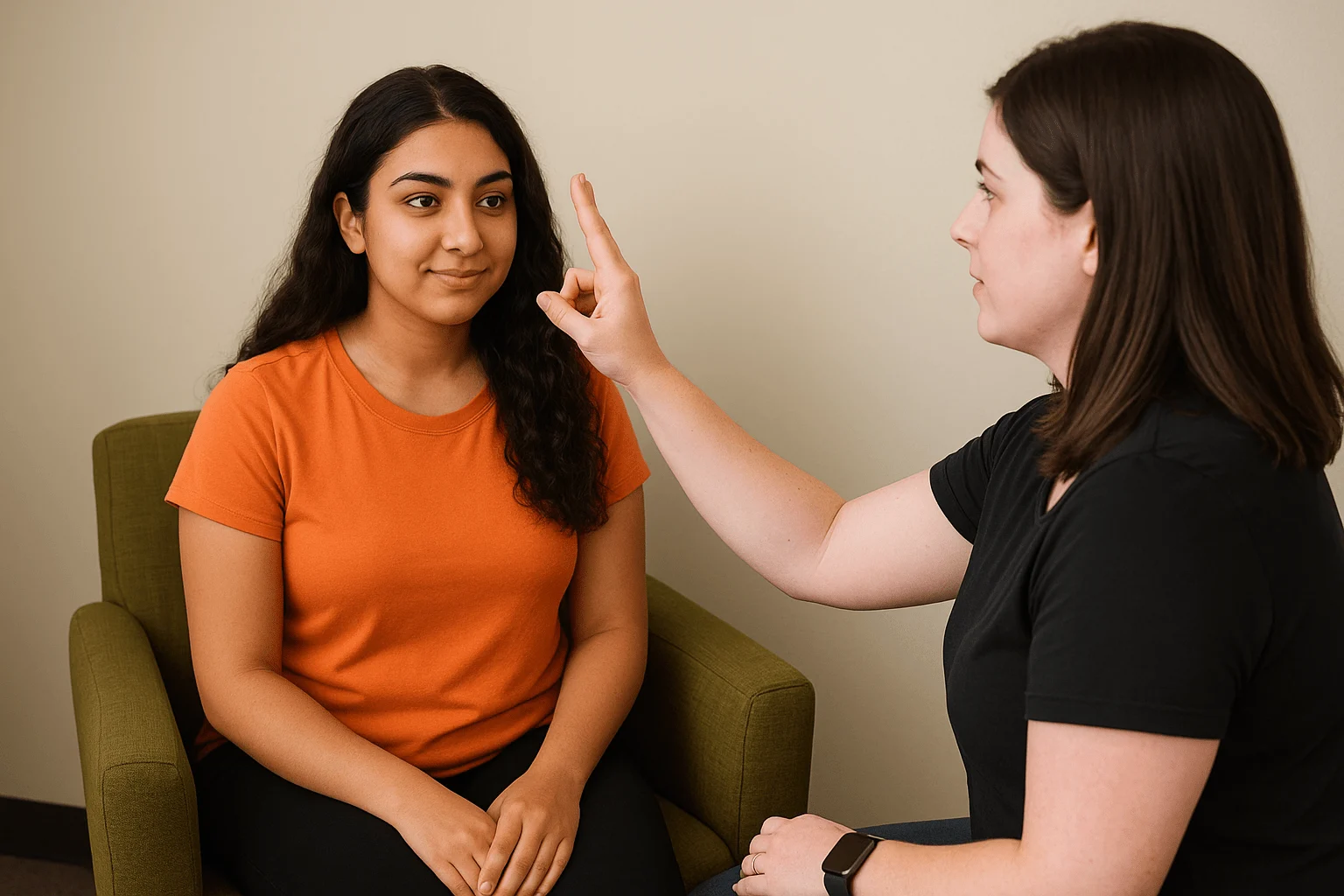
EMDR is an evidence-based trauma therapy that helps the brain process distressing experiences that may still feel emotionally “stuck.” Through guided eye movements or other forms of bilateral stimulation, we work with difficult memories, emotions, and beliefs to reduce their intensity.
EMDR may be helpful for:
- PTSD and traumatic experiences
- Childhood trauma or emotional neglect
- Sexual trauma
- Car accidents or medical trauma
- Domestic abuse
- Grief and loss
- Infidelity and betrayal trauma
- Bullying or rejection
- Perfectionism and people-pleasing
- Difficult relationship experiences
- Experiences that may seem “small” but continue to impact how you feel today
Guided Drawing to Heal trauma
A Sensorimotor Approach
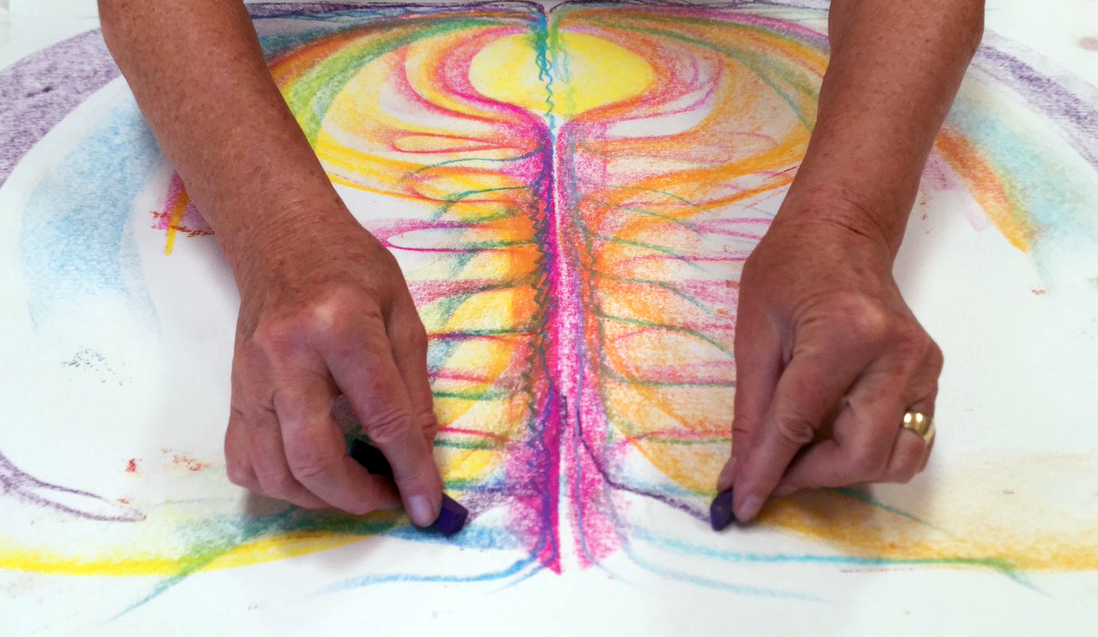
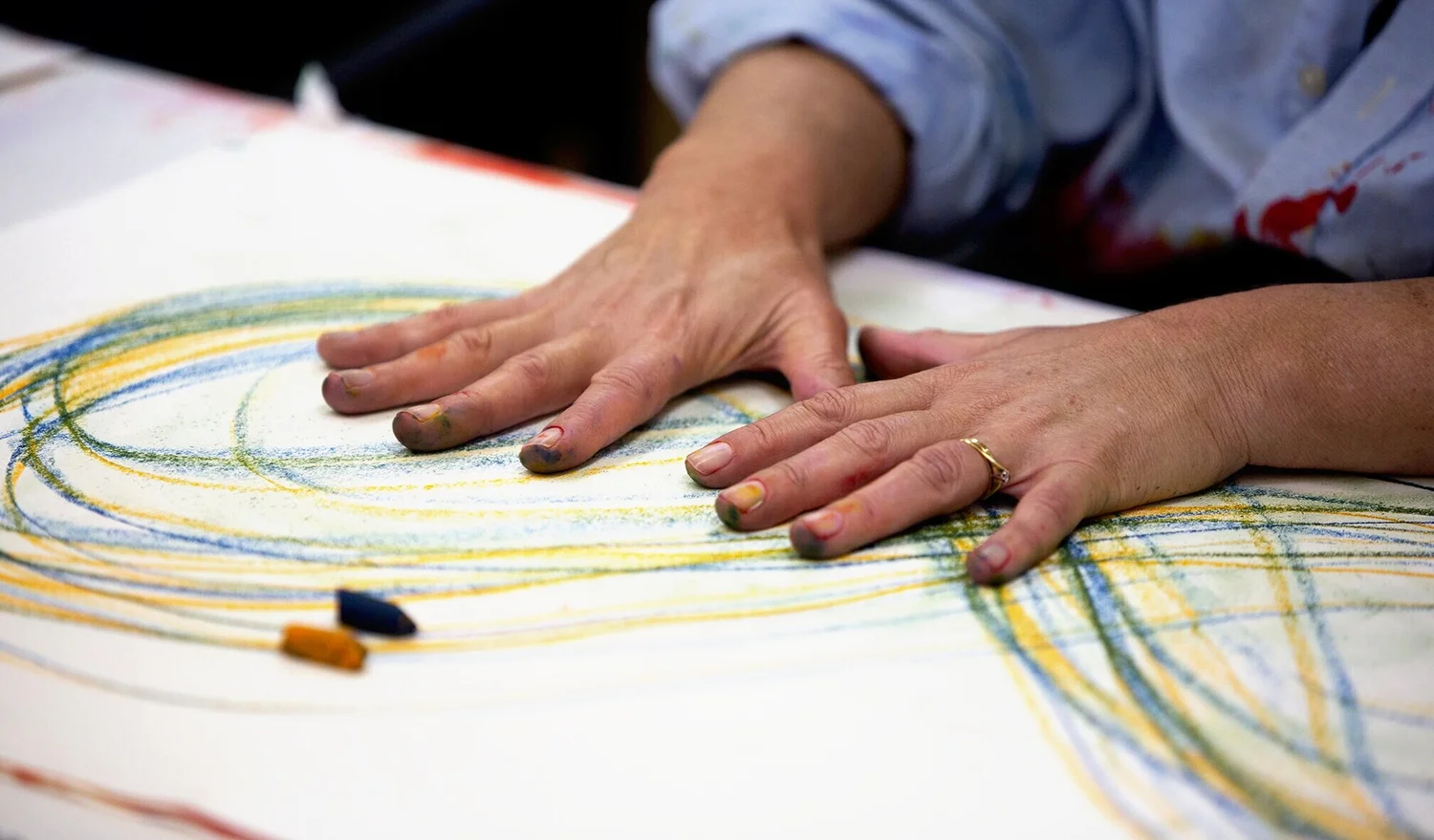
Guided Drawing is a body-based, sensorimotor approach that uses bilateral movement, drawing specific shapes, and sensory awareness to help you connect with emotions and experiences held in the body. The focus is not on what the picture looks like, but on what you notice and experience through movement.
With guidance, you’ll use both hands to make simple movements on paper while noticing sensations, emotions, and shifts within your body. This bilateral, sensory-based process encourages the brain to develop new neural pathways, helping you move beyond familiar emotional patterns and create new ways of responding, regulating, and processing experiences.
Guided Drawing may support:
- Trauma and difficult life experiences
- Anxiety and emotional overwhelm
- Feeling disconnected or “stuck”
- Difficulty identifying or expressing emotions
- Relationship and attachment wounds
- Grief and loss
- Building emotional regulation and body awareness
- Reconnecting with a sense of safety, choice, and control